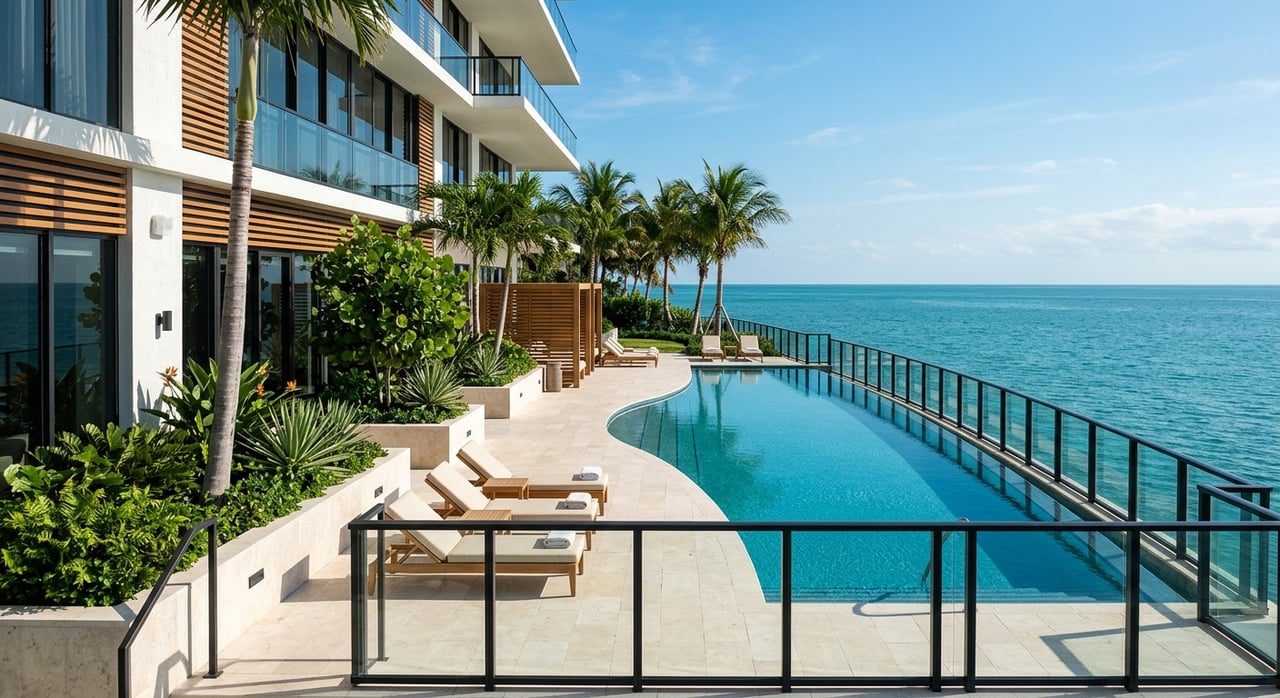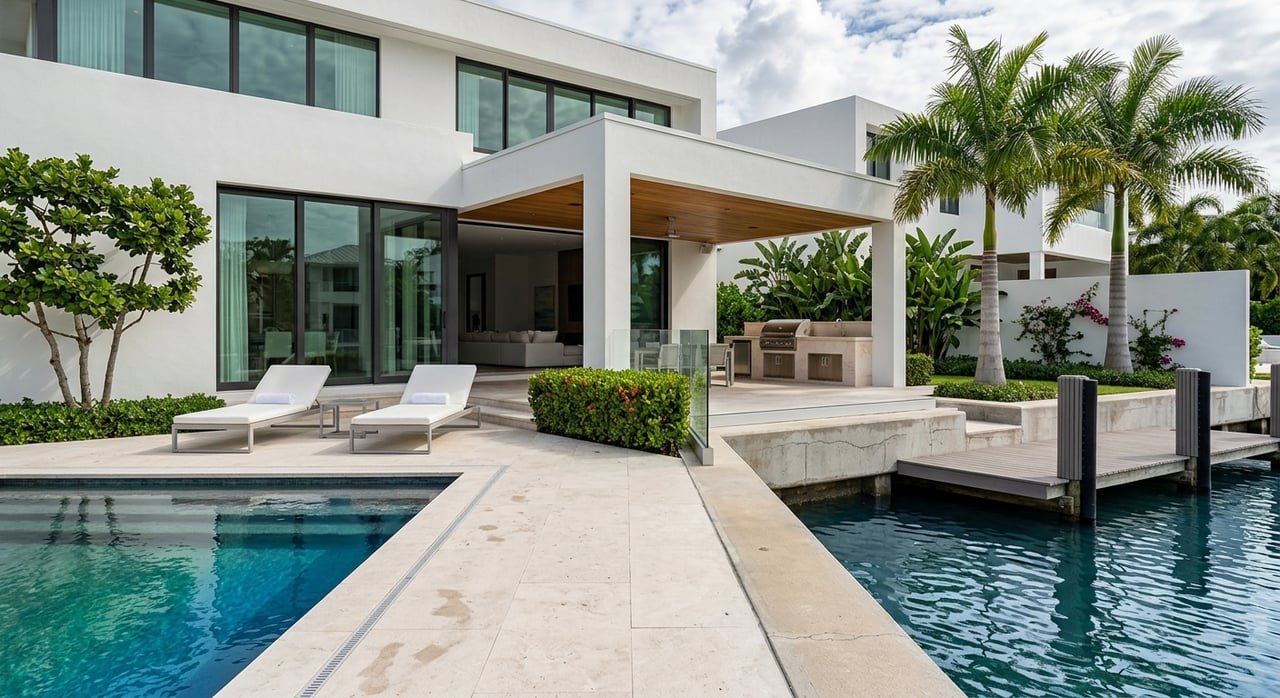
If you picture waterfront living in Fort Lauderdale as one long vacation, you are only seeing part of the story. The real experience is more layered, more practical, and in many ways more rewarding because your daily routine can include river walks, canal views, beach access, and even water-based transit. If you are thinking about buying here, it helps to understand what day-to-day life actually feels like before you make a move. Let’s dive in.
Waterfront Fort Lauderdale Has More Than One Personality
Fort Lauderdale waterfront living is not just about oceanfront condos or a house with a dock. The city says it has 165 miles of scenic inland waterways, seven miles of beaches, and more than 3,000 hours of sunshine each year. That creates a lifestyle shaped by water in several different ways, not just one postcard view.
For some buyers, the draw is downtown riverfront living. The New River and Riverwalk area bring a more urban feel, with public spaces, parks, and a steady mix of people out walking, dining, and enjoying the waterfront. Riverwalk Fort Lauderdale describes this district as a linear park with 10 parks along the river, which gives the area an active, public rhythm.
For others, the appeal is canal or Intracoastal living. These areas tend to feel more residential and more connected to boating. In places like the Rio Vista survey area, the city maps show how close some neighborhoods sit to the Intracoastal Waterway, New River, downtown, and beach access routes like 17th Street and Las Olas Boulevard.
Then there is beachfront living, which can feel the most resort-like in your daily life. Fort Lauderdale Beach, Fort Lauderdale Beach Park, and Las Olas Oceanside Park all offer public access and amenities that make beach routines easy to build into your week. In practice, many residents experience the city as a blend of river, canal, and ocean life rather than choosing only one version of waterfront living.
Daily Life Often Revolves Around the Water
One of the biggest surprises for newcomers is how often the water becomes part of everyday movement, not just recreation. In Fort Lauderdale, the water is not simply something you look at from your balcony or backyard. It can also shape how you get around and how you spend your time.
The city’s free Water Trolley runs daily from 10 a.m. to 10 p.m. and serves eight stops along the New River, with estimated waits of 20 to 30 minutes. Water Taxi also connects waterfront restaurants, parks, and destinations across Fort Lauderdale, Pompano Beach, and Hollywood. That means some residents can build parts of their routine around water transit, especially in riverfront and nearby neighborhoods.
Even if you do not own a boat, you will still notice how boating influences the city’s pace and identity. Marinas, boat ramps, and passing vessels are part of the backdrop in many waterfront areas. During the Fort Lauderdale International Boat Show, that culture becomes even more visible, reinforcing how central boating is to the city’s image and economy.
If you do own a boat, the lifestyle comes with added planning. The city advises residents to prepare to secure boats before storms, and notes that bridges may be locked down after an evacuation order. In Broward County, flotilla plans may be used to help move boats in an orderly way before major weather events.
Walkability Feels Best Where Water Meets City Life
If your ideal waterfront lifestyle includes coffee runs, dinners out, public parks, and the ability to walk more often, some parts of Fort Lauderdale will likely stand out more than others. The strongest walkable waterfront experience tends to happen where the city and the water overlap. That is a big reason areas near downtown, Las Olas, and the riverfront attract so much attention.
Las Olas Boulevard is one of the clearest examples. The city describes Las Olas as its centerpiece for fashion, fine dining, and entertainment, and the area is known for patios, shops, and a lively streetscape that connects naturally to nearby waterfront settings. If you want a waterfront home base with easy access to dining and errands, this pattern matters.
The riverfront builds on that same idea. Riverwalk combines public green space with urban activity, and the city’s downtown planning goals support an active center with transportation options, mixed uses, and public spaces. For many buyers, this is the version of waterfront living that feels the most dynamic day to day.
Mobility improvements may continue to strengthen that experience. In February 2026, the city approved the Las Olas Boulevard Mobility Improvements Project, and its LauderTrail Master Plan is designed to connect parks, transit, businesses, attractions, and neighborhoods through lower-stress walking and biking routes. According to the plan, it is intended to eventually connect 270 businesses, 45 parks and green spaces, 35 neighborhoods, 12 Water Taxi stops, 17 bus routes, and two railroad stations.
Beach Living Has a Practical Rhythm
Beach access in Fort Lauderdale can feel easy and enjoyable, but it still works best when you understand the logistics. The city maintains public beach spaces and amenities that support regular use, including outdoor showers, restrooms, walking paths, bike racks, and at Fort Lauderdale Beach Park, a non-motorized boat ramp. This helps turn beach time into a repeatable routine rather than an occasional outing.
For Fort Lauderdale residents, the Residential Beach Parking Permit can make beach visits more convenient. The permit can be used at Fort Lauderdale Beach Park, North Beach meters, and the Las Olas Garage. The city also notes that Broward County Transit and a free city community shuttle can help with beach access.
Another practical detail is that many residents check conditions before heading out. The city posts Beach Conditions and live cameras along Fort Lauderdale Beach and near the New River downtown. That small habit says a lot about local waterfront life: you learn to pay attention to the water because it affects your plans in real time.
The Trade-Offs Are Real and Important
Waterfront living in Fort Lauderdale offers beauty, access, and lifestyle appeal, but it also asks you to be more aware of the elements. This is one of the most important parts of the conversation for buyers. The right home is not just the one with the best view. It is the one that fits your comfort level with maintenance, insurance, and weather planning.
The city says many residents live in or near a Special Flood Hazard Area. It also notes that flooding is not covered by most homeowners policies, and that flood insurance may be required or may simply be a smart choice depending on the property. For buyers, that means flood zone details and insurance costs should be part of the decision from the start.
King tides are also a real part of the local vocabulary. Because of the city’s low elevation and extensive waterways, Fort Lauderdale says it is highly vulnerable to king tides and sea-level rise, with king tides predicted on at least 40 days in 2026. The city lists resilience efforts such as tidal valves, storm-drain cleaning, seawall work, and beach renourishment, but buyers should still understand how a specific property handles these conditions.
Hurricane prep is another normal part of waterfront ownership. If you are considering a home on the water, it is smart to ask how the property is managed before storms, what the dock or seawall condition is, and what the owner’s routine has been during hurricane season. In this market, practical questions are part of smart lifestyle planning.
Can You Enjoy It Without a Boat?
Yes, absolutely. That is one of the biggest misconceptions about waterfront Fort Lauderdale. You do not need to own a boat to enjoy the benefits of living near the water.
The city’s riverfront parks, public beach spaces, water transit options, and dining corridors all make waterfront living accessible in different ways. If you live in a downtown or beach-adjacent area, your routine may be shaped more by walking, views, public access, and outdoor time than by boat ownership.
That said, neighborhoods with more docks and direct water access may feel different from a riverfront condo or a beach-area residence. The right fit depends on whether you want a boating-centered lifestyle, an urban waterfront lifestyle, or a more beach-oriented routine. Knowing that difference can save you time and help you focus your search.
What Buyers Should Pay Attention To
If you are shopping for waterfront property in Fort Lauderdale, lifestyle questions and property questions should go hand in hand. A beautiful setting matters, but the everyday details often determine whether the home truly fits your goals.
Here are some of the most important questions to ask:
- What flood zone is the property in?
- What are the current flood-insurance requirements or likely costs?
- What is the condition of the seawall, dock, or marine features?
- How does the property handle king tides or heavy rain?
- What is the hurricane-prep plan for the home and, if relevant, the boat?
- How easy is it to reach dining, parks, beach access, or water transit from this location?
- Does this area fit the kind of waterfront routine you actually want?
For many buyers, this is where local guidance matters most. Waterfront homes can look similar in photos while offering very different daily experiences once you factor in access, maintenance, mobility, and storm readiness.
Waterfront living in Fort Lauderdale can be vibrant, scenic, and deeply tied to the outdoors. It can also be urban, residential, beachy, or boat-centered depending on where you land. If you want help sorting through those choices and matching them to your lifestyle and investment goals, schedule a free consultation with Dija Phaire and Eliot Rodriguez.
FAQs
What does waterfront living in Fort Lauderdale feel like day to day?
- It usually feels like a mix of water views, outdoor routines, and easy access to riverfront, canal, or beach spaces, with daily life shaped by weather, mobility, and location.
Can you enjoy Fort Lauderdale waterfront living without owning a boat?
- Yes. Public beach parks, riverfront parks, the Water Trolley, Water Taxi, and dining districts like Las Olas make it possible to enjoy the waterfront without boat ownership.
What are the main trade-offs of buying waterfront property in Fort Lauderdale?
- The biggest trade-offs are flood awareness, possible flood-insurance costs, king tides, seawall or dock upkeep, and storm preparation.
Which parts of Fort Lauderdale feel most walkable near the water?
- Downtown riverfront areas, Riverwalk, and areas near Las Olas Boulevard tend to offer the strongest blend of walkability, dining, parks, and waterfront access.
Is beach access public in Fort Lauderdale?
- Yes. The city maintains public beach spaces such as Fort Lauderdale Beach, Fort Lauderdale Beach Park, and Las Olas Oceanside Park, though parking and access logistics still matter.
What should buyers ask before purchasing a Fort Lauderdale waterfront home?
- Buyers should ask about flood zone status, flood-insurance needs, seawall and dock condition, king tide impacts, hurricane planning, and how the location fits their actual day-to-day lifestyle.