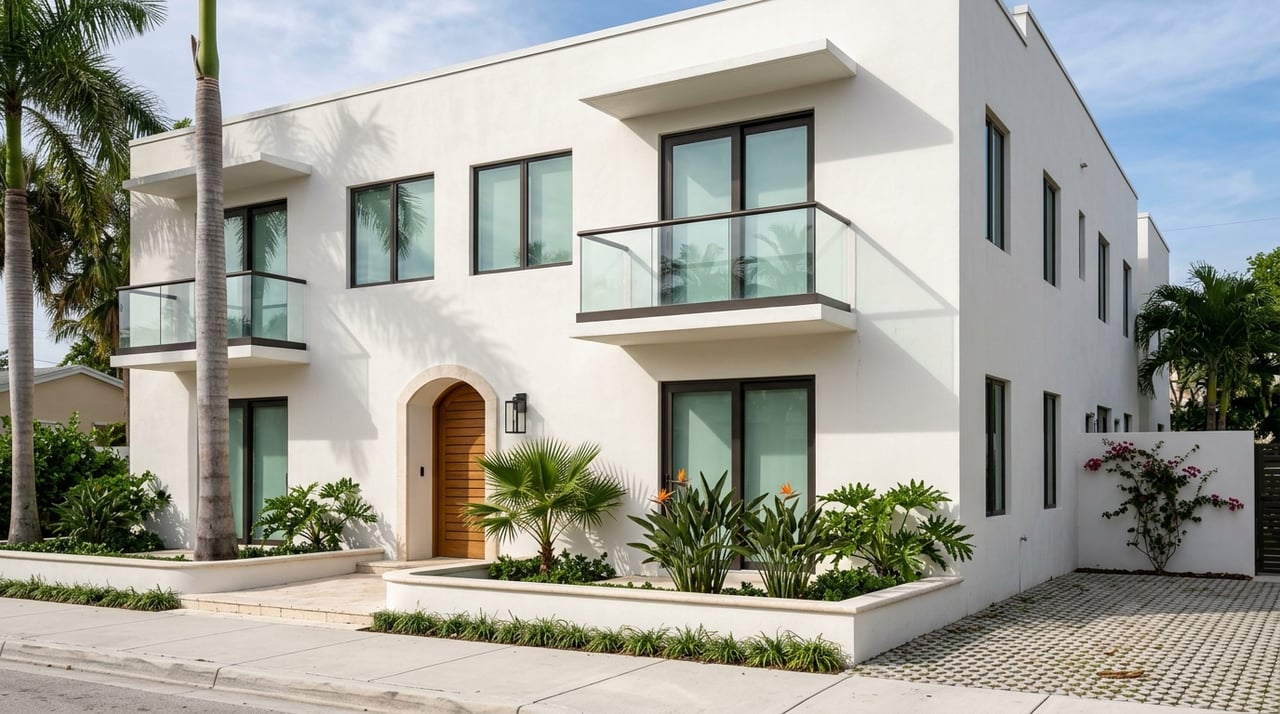
Trying to choose between an oceanfront condo and a bayfront condo in Miami Beach? It sounds simple at first, but once you look past the view, the decision gets more layered. Your best fit depends on how you want to live, what kind of exposure you are comfortable with, and how carefully you evaluate each building. Let’s break it down so you can compare both options with more confidence.
Oceanfront vs Bayfront Basics
In Miami Beach, oceanfront usually means a condo facing the Atlantic, while bayfront generally refers to Biscayne Bay or Intracoastal-facing residences. That difference affects more than scenery.
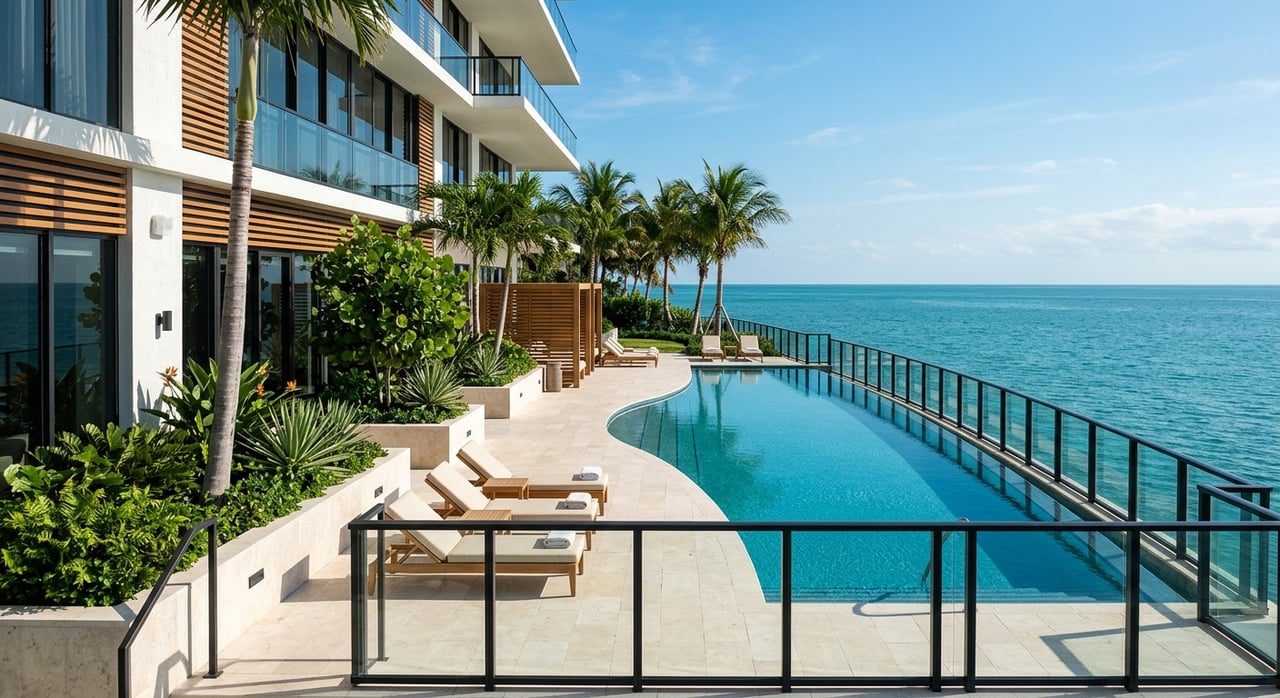
An oceanfront condo usually gives you direct beach access, open water views, and a stronger resort-style feel. A bayfront condo often trades beach access for calmer water, skyline or sunset views, and a setting that may appeal more to boaters.
What Oceanfront Living Feels Like
If your ideal Miami Beach lifestyle starts with stepping out near the sand, oceanfront living may feel like the obvious choice. The biggest draw is direct beach access paired with wide Atlantic views.
Many buyers also like the energy that comes with an oceanfront address. These homes often feel tied to the classic Miami Beach experience, with amenities and surroundings that can feel more visitor-oriented and seasonal.
There is a practical side to this choice too. Local brokerage commentary notes that oceanfront buildings often face stronger wind and salt exposure, which can lead to more exterior wear and maintenance over time.
What Bayfront Living Feels Like
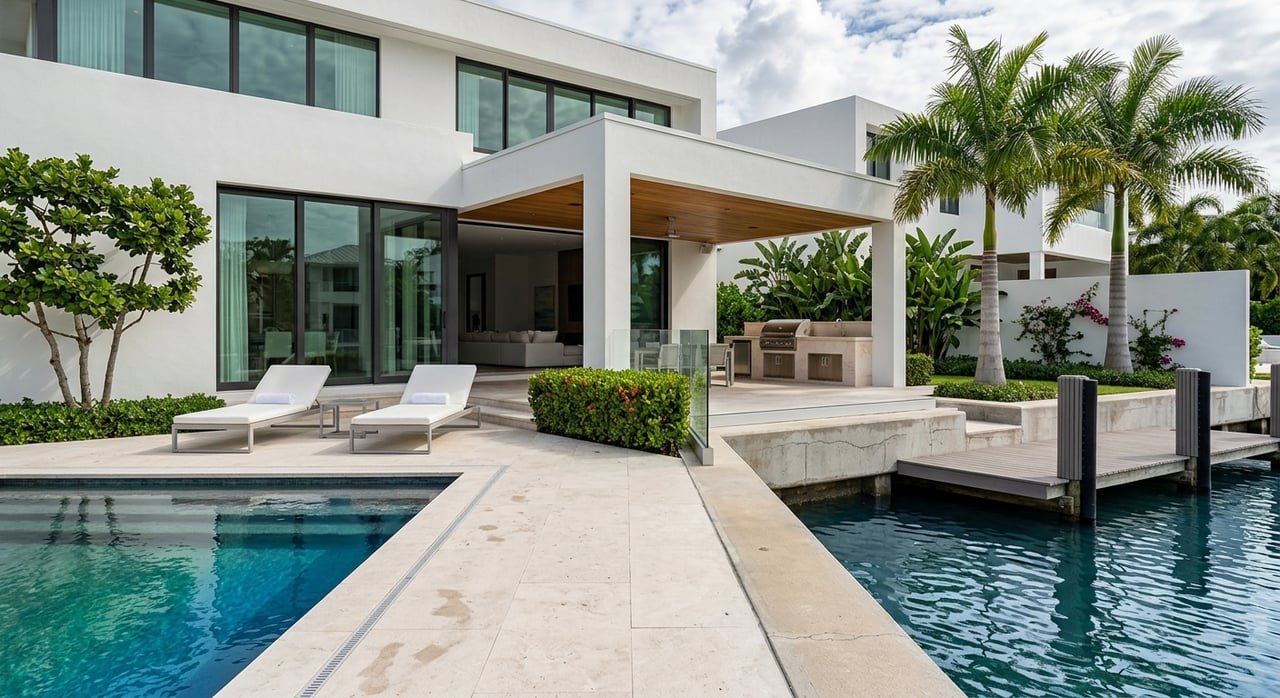
Bayfront condos offer a different kind of waterfront experience. Instead of facing the open ocean, you often get calmer water, marina activity, and city skyline or sunset views.
For some buyers, that day-to-day feel is the bigger win. Local brokerage commentary suggests bayfront properties can be a better fit for boating and may feel more sheltered from direct coastal wind.
Bayfront does not automatically mean lower-end or lower-priced. In Miami Beach, some bay-oriented areas command very strong pricing, and in certain cases they can rival or exceed simpler oceanfront comparisons.
Pricing Is More Nuanced Than You Think
One of the biggest mistakes buyers make is assuming oceanfront always carries a clear and universal premium. In reality, Miami Beach pricing is much more building-specific.
BHS Miami reported that the Miami Beach condominium market finished 2025 with an annual average sale price of $979,864, the highest annual average on record for that market. In Q1 2025, the average sale price was $950,132 with an average of $751 per square foot.
That same Q1 report showed 21.0 months of absorption, which suggests a high-priced market with significant inventory. For buyers, that means you may have options, but you still need to compare value carefully.
As of March to April 2026, Miami Beach had a median listing price of $675,000, 2,605 homes for sale, a 94 percent sale-to-list ratio, and a median 109 days on market. Those numbers show a market where pricing and negotiation depend heavily on the property, condition, and building.
Neighborhood Data Tells a Bigger Story
Current neighborhood-level data helps explain why there is no one-size-fits-all answer. In Miami Beach, Ocean Front showed a median listing price of $750,000 and median rent of $4,174 per month.
Bayshore, by comparison, showed a median listing price of $1.325 million, $905 per square foot, and median rent of $4,500 per month. Other neighborhood medians ranged from $499,000 in West Avenue to $1.112 million in South Pointe and $2.10 million in Venetian Islands.
The takeaway is simple: you should not judge value based only on the side of the island. Specific location, building age, renovation quality, amenity package, and view corridor can matter just as much.
The Real Premium May Be the Building
Local brokerage commentary suggests direct oceanfront can sometimes carry a 30 to 40 percent premium over bayfront or other waterfront alternatives. That can be true in the right case, but Miami Beach data shows the spread is highly property-specific.
A renovated condo in a well-run bayfront building may outperform an older oceanfront unit that comes with higher upkeep or weaker financials. The view matters, but the building often matters more.
This is especially important in Miami-Dade, where newer condos tend to command much higher prices. MIAMI REALTORS reported a median sales price of $703,250 for condos and townhomes less than 25 years old, compared with $330,000 for properties that are 25 years old or more.
Luxury Buyers Face a Different Market
If you are shopping at the top of the market, the pricing gap can widen quickly based on finishes, services, and prestige. The Miller Samuel Elliman report for Miami Beach and the Barrier Islands showed that the top 10 percent of condo sales averaged $2,126 per square foot in Q4 2025, with a median sales price of $5.137 million.
That tier tends to reward exceptional product, not just waterfront orientation. In other words, a standout bayfront residence can compete strongly if the building, views, and lifestyle package are right.
MIAMI REALTORS also reported that Miami Beach condominium median sales prices rose 3.6 percent year over year in January 2025. They also found that cash buyers accounted for half of the $600,000-plus market and 73 percent of sales above $1 million.
Rental Potential Depends on Rules First
If you are thinking like an investor, this is where the conversation changes. In Miami Beach, rental potential depends at least as much on legal permission as it does on the view.
The City of Miami Beach says short-term rentals under six months and one day are prohibited in all single-family homes and in many multifamily buildings in certain zoning districts. Legal operators need a city-issued Business Tax Receipt and Resort Tax account, and those numbers must appear in every ad or listing.
The city also publishes a short-term rental zoning map and a list of apartment buildings authorized for short-term rental. That means you should never assume a condo can be used for short stays just because it is near the beach or has investor appeal.
Oceanfront vs Bayfront for Long-Term Rentals
For long-term rentals, the numbers are more balanced than many buyers expect. Current neighborhood medians show Ocean Front at $4,174 per month and Bayshore at $4,500 per month, while Miami Beach overall sits at $3,450 per month.
That is another reminder that income potential is building-specific and neighborhood-specific. An oceanfront address may have stronger transient appeal in a legally authorized building because beach access is the headline amenity, but many condos cannot legally be marketed for short stays at all.
If rental income is part of your plan, your checklist should include zoning, association restrictions, lease minimums, and building policies before you focus on the view.
Flood Risk Matters on Both Sides
Because Miami Beach is a coastal barrier island with low elevation, flood exposure is part of the conversation whether you buy oceanfront or bayfront. The city says flooding can come from heavy rain, high tides, storm surge, and sea-level rise.
The city adopted a Sea Level Rise Adaptation Plan in July 2025 after identifying more than 67,000 vulnerable assets. For condo buyers, that makes building resilience a real part of value.
This is why smart due diligence goes beyond finishes and amenities. You should review insurance costs, reserve levels, assessment history, elevation, and any resilience or drainage-related planning tied to the property.
A Smarter Way to Compare Condos
In Miami Beach, the strongest buying strategy is usually building-first and view-second. Start with the legal and financial realities, then weigh the lifestyle benefits.
Here are a few practical questions to ask as you compare options:
- Do you want direct beach access or do you prefer calmer water and sunset views?
- Is boating or marina access important to your lifestyle?
- What are the building’s rental rules and lease minimums?
- How old is the building, and what is its maintenance or assessment history?
- How strong are reserves and how does the association handle long-term planning?
- What should you expect for insurance and flood-related costs?
When you answer those questions honestly, the right fit usually becomes much clearer.
Which Condo Type Fits You Best?
Oceanfront may be the better match if you want the classic Miami Beach experience, direct beach access, and wide Atlantic views. It often delivers the strongest resort feel, but it can also come with more exposure to wind, salt, and building upkeep.
Bayfront may be the better match if you want calmer water, boating orientation, and skyline or sunset views. It can feel more sheltered day to day, and in some Miami Beach neighborhoods, it is every bit as premium as oceanfront living.
The best choice is not about which side sounds more glamorous. It is about which building, rules, costs, and lifestyle truly match your goals.
If you want help comparing Miami Beach condos with a sharper eye on value, building quality, and long-term fit, schedule a free consultation with Dija Phaire and Eliot Rodriguez.
FAQs
What is the main difference between oceanfront and bayfront condos in Miami Beach?
- Oceanfront condos generally face the Atlantic and emphasize beach access and open ocean views, while bayfront condos usually face Biscayne Bay or the Intracoastal and emphasize calmer water, marina activity, and skyline or sunset views.
Are oceanfront condos always more expensive than bayfront condos in Miami Beach?
- No. While direct oceanfront can sometimes carry a premium, Miami Beach pricing is highly property-specific, and some bay-oriented neighborhoods like Bayshore show higher median listing prices than simpler oceanfront comparisons.
Do Miami Beach bayfront condos work better for boaters?
- Often, yes. Local brokerage commentary says bayfront living is usually a better fit for buyers who value boating, marina visibility, and a more sheltered waterfront setting.
Can you legally rent out a Miami Beach oceanfront or bayfront condo short term?
- It depends on the building and zoning, not just the location. The City of Miami Beach says short-term rentals under six months and one day are prohibited in many properties, and legal operators must meet city requirements.
Should flood risk affect your choice between oceanfront and bayfront condos in Miami Beach?
- Yes. Miami Beach says the city’s low elevation creates flooding challenges from heavy rain, high tides, storm surge, and sea-level rise, so flood exposure and building resilience should be part of your condo review on either side of the island.
What should you review before buying a Miami Beach waterfront condo?
- Focus on the building’s rental rules, association restrictions, reserves, insurance costs, assessment history, age, and resilience factors before assuming the view alone determines value.