Curious how buyers secure brand‑new luxury condos in Sunny Isles Beach before they are built? You are not alone. With so many high‑rise launches along Collins Avenue and a global buyer pool, pre‑construction can feel exciting and overwhelming. In this guide, you will learn how the process works from reservation to closing, what to expect with deposits and timelines, and how to protect your interests. Let’s dive in.
Why buy pre‑construction in Sunny Isles
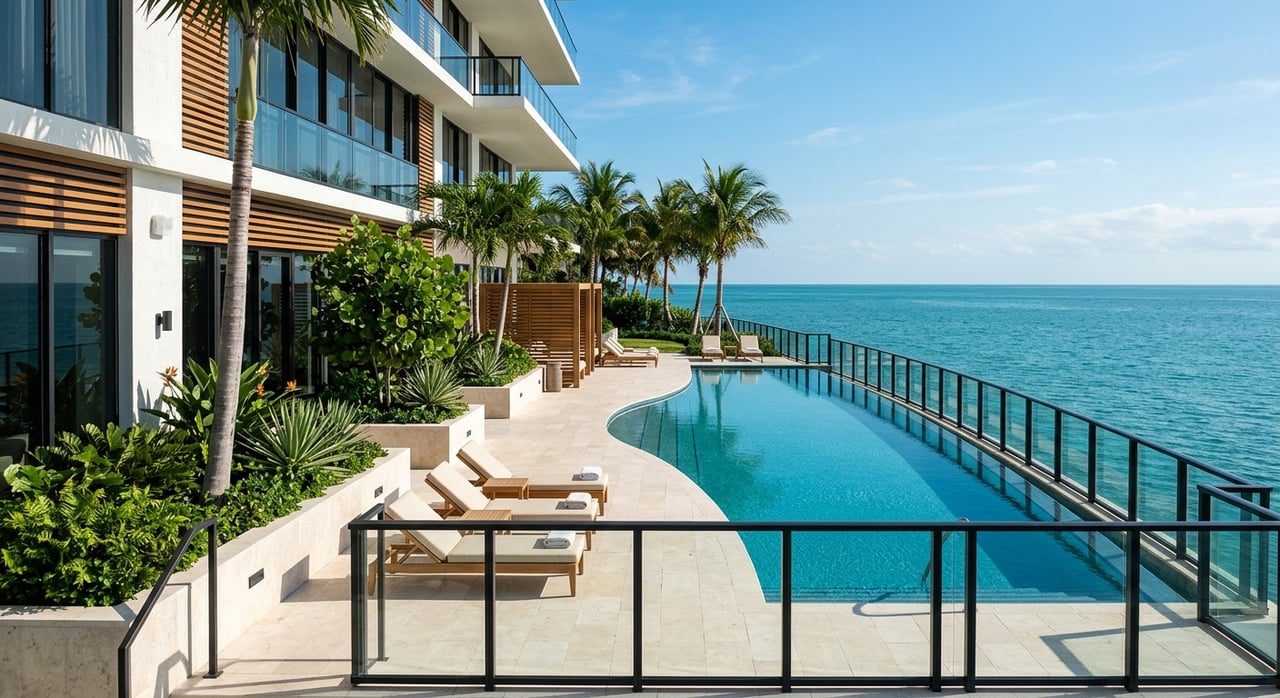
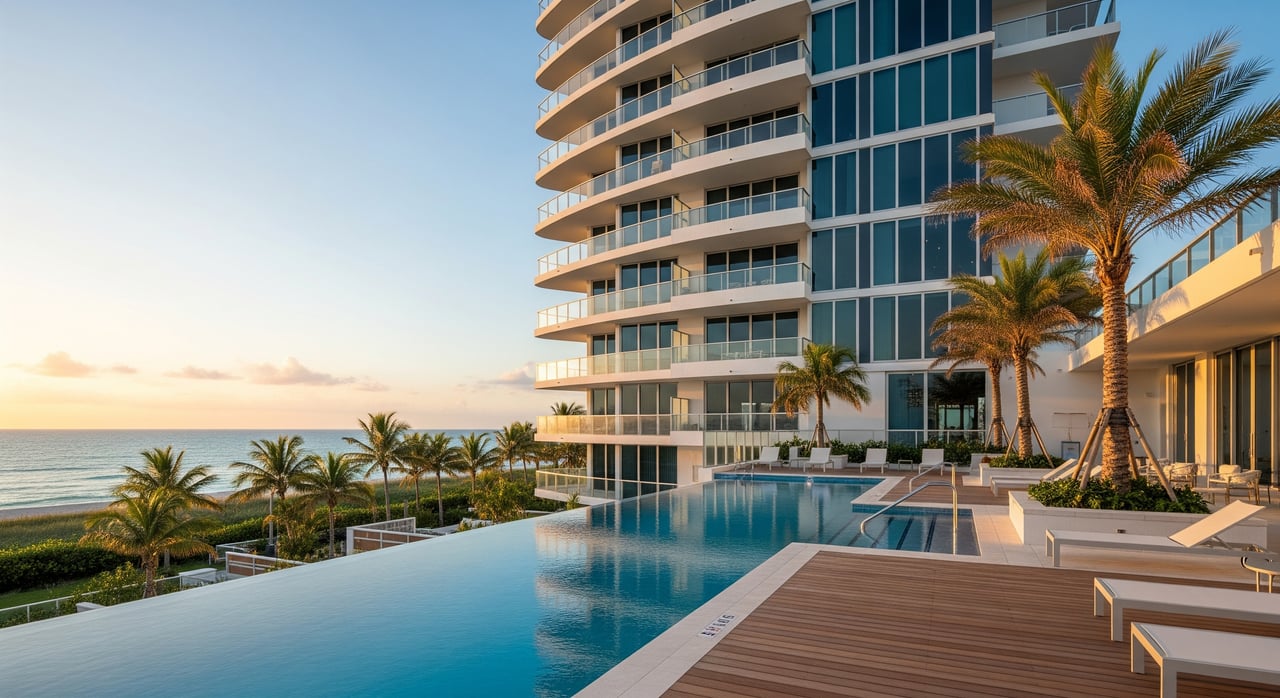
Sunny Isles Beach is a hub for luxury high‑rises, including residences and condo‑hotel hybrids. Developers often sell units off‑plan to domestic and international buyers who want a second home, a prestige address, or long‑term value.
Because demand is global and many projects sell in phases, pricing and incentives can shift as sales progress. Pre‑construction can offer price appreciation potential, but it also carries construction and market risks that you should understand upfront.
How the process works
Most Sunny Isles projects follow a similar path. You start with a reservation, move to a formal purchase contract, make staged deposits during construction, and then close when the building receives the required occupancy approvals.
Timelines vary by project size and permitting. In South Florida, new high‑rise developments commonly take about 24 to 48 months from groundbreaking to delivery, though schedules can change.
Step 1: Reservation
A reservation holds a specific unit while you finalize your decision. It usually comes with a Reservation Agreement and a small deposit, which may be refundable or partially refundable depending on the developer.
The reservation typically gives you priority to sign the contract within a set window. It is not always a binding purchase commitment. Confirm the deposit terms and the deadline to proceed.
Step 2: Contract and disclosures
Next, you receive the Purchase and Sale Agreement (P&S) and a disclosure package often called the public offering statement or prospectus. These documents explain unit specifications, common elements, operating budgets, developer rights, rental policies, and more.
Review these materials with a local real‑estate attorney before signing. Your attorney can flag timelines, default remedies, assignment rules, and what happens if construction is delayed.
Step 3: Deposits and escrow
After you execute the contract, you will follow a staged deposit schedule tied to dates or construction milestones. Total pre‑closing deposits often represent a significant portion of the purchase price.
Ask where deposits are held and when they can be released. In Florida, deposits are typically placed in escrow with a title company, developer trust, or broker escrow in accordance with Florida rules and the contract. Confirm refund rights and default provisions before you wire funds.
Step 4: Construction milestones
Developers project timelines, but real‑world factors like permitting, weather, labor, and materials can affect delivery. Some contracts allow you to request progress updates, visit model units, or conduct limited site inspections at defined stages.
Understand what is included in your unit and how change orders work. Clarify finishes, appliances, parking, storage, and any upgrade allowances in writing.
Step 5: Assignment and resale options
Investors sometimes plan to assign their contracts before closing. Whether this is allowed depends on the P&S. Some developers prohibit assignments or charge fees and require consent.
If assignment is important to your strategy, request clarity in writing before you sign. Your attorney and agent can help you evaluate assignment rules and their impact on resale timing.
Step 6: Occupancy, closing and title
A temporary or final certificate of occupancy will dictate when the developer can deliver units. Some developers allow occupancy under a temporary certificate before formal closing. If so, confirm who carries insurance, what you owe upon occupancy, and how punch‑list items are handled.
At closing, the condominium declaration and related documents should be recorded, and you receive title. Title insurance is advisable. Post‑closing, the developer will eventually turn control over to the condominium association.
Key documents to review
- Reservation Agreement: Deposit amount, refundability, and the deadline to sign the P&S.
- Purchase and Sale Agreement: Deposit schedule, default and cure, assignment rights, financing contingencies, construction timelines, remedies, inspection rights, and warranties.
- Public Offering Statement/Prospectus: Declaration, plats, common elements, budgets, developer rights, rental policies, and estimated completion date.
- Condominium Declaration, Bylaws, Budget and Reserve Study: HOA rules, assessments, voting rights, pet and rental policies, and short‑term rental restrictions.
- Escrow Instructions: Who holds funds, release conditions, and refund rules.
- Warranties and Punch‑List Procedures: What is covered and for how long, plus inspection steps before turnover.
Florida and Miami‑Dade essentials
Florida’s Condominium Act governs disclosure and association operations. Broker escrow handling follows state rules, and construction lien law allows contractors to file liens if unpaid, which can impact closings.
In Miami‑Dade and coastal zones like Sunny Isles, large projects undergo extensive permitting and engineering review. These requirements can influence timing, insurance considerations, and delivery milestones. Your closing agent and attorney will guide you on lien clearance, recordings, and compliance at closing.
Risks to plan for
- Construction delays or cancellations
- Developer financing issues or insolvency
- Differences between renderings and delivered finishes
- HOA underfunding or special assessments
- Rental policy limits that affect investment plans
- Assignment restrictions or fees
- Lien issues and title complications
- Market shifts between contract and closing
Due diligence checklist
- Research the developer’s track record, completed buildings, and any notable litigation history.
- Read the prospectus and condo documents in full. Confirm rental rules and short‑term policies if you plan to rent.
- Confirm deposit amounts, escrow holder, refund rights, and default terms with your attorney.
- Ask about assignment permissions, fees, and required consents if you may resell pre‑closing.
- If financing, engage your lender early for condo loan guidelines and timing.
- Review warranties and punch‑list procedures for final inspections and defect claims.
- Hire a reputable title company to run lien searches and issue title insurance.
- For international buyers, consult a tax advisor on ownership structures and future sale implications.
Your representation team
- Buyer’s Agent: Navigates developer offerings, explains comps, and helps you compare incentives and timelines.
- Real‑Estate Attorney: Reviews the P&S and disclosures, negotiates key clauses, and explains remedies and deposit protections.
- Title Company/Closing Agent: Manages escrow, clears liens, records documents, and issues title insurance.
- Mortgage Lender: Outlines condo financing or construction‑to‑permanent options and pre‑approves you early.
- Tax Advisor/CPA: Advises on reporting, withholding requirements, and entity structures, especially for cross‑border buyers.
- Inspector/Engineer: Supports your final walkthrough and documents punch‑list items.
Tips for international buyers
- Work with a Miami‑based team experienced in cross‑border transactions and Sunny Isles pre‑construction.
- Confirm accepted payment methods, wire procedures, and identity verification protocols in advance.
- Align your ownership structure with your tax goals. Coordinate among your attorney, CPA, and closing agent before you sign a contract.
What to expect on pricing and phases
Developers often use phased releases such as reservations, VIP presales, and public offerings. Early phases may present different pricing or incentives than later phases.
Expect adjustments as sales progress and as construction advances. Your agent can help you monitor phase changes, evaluate value against comparable buildings, and time your move.
Next steps
If Sunny Isles pre‑construction fits your goals, start by clarifying your budget, timeline, and whether you need financing. Ask your agent to source a short list of buildings that match your criteria and to request draft documents for review.
Then, engage a local attorney to review the P&S and disclosure package before you sign. With the right team, you can move from reservation to closing with clarity and confidence.
Ready to compare buildings or request offering materials? Connect with the Dija Phaire and Eliot Rodriguez team to schedule a free consultation.
FAQs
How do pre‑construction deposits work in Sunny Isles?
- Expect an initial reservation deposit followed by staged deposits after you sign the contract. Exact amounts and timelines vary by developer and are spelled out in the P&S.
Can I assign my pre‑construction contract before closing?
- Sometimes. Assignment rights and any fees or consent requirements are contract specific. Confirm in writing before you sign if assignment is part of your plan.
How long does construction usually take in South Florida?
- Many high‑rise condo projects take about 24 to 48 months from groundbreaking, but permitting, weather, labor, and market conditions can change timelines.
What documents should I review before I commit?
- The P&S, public offering statement, condo declaration and bylaws, budget and reserves, escrow instructions, and warranty and punch‑list procedures are key.
What protections do I have if there is a delay?
- Remedies depend on the contract. Your attorney can explain any delay provisions, refund rights for deposits, and options if schedules extend beyond expectations.
What should international buyers consider most?
- Confirm secure payment and wiring steps, understand condo rules and taxes, and coordinate with a local attorney, title company, and CPA on ownership structure and future sale planning.