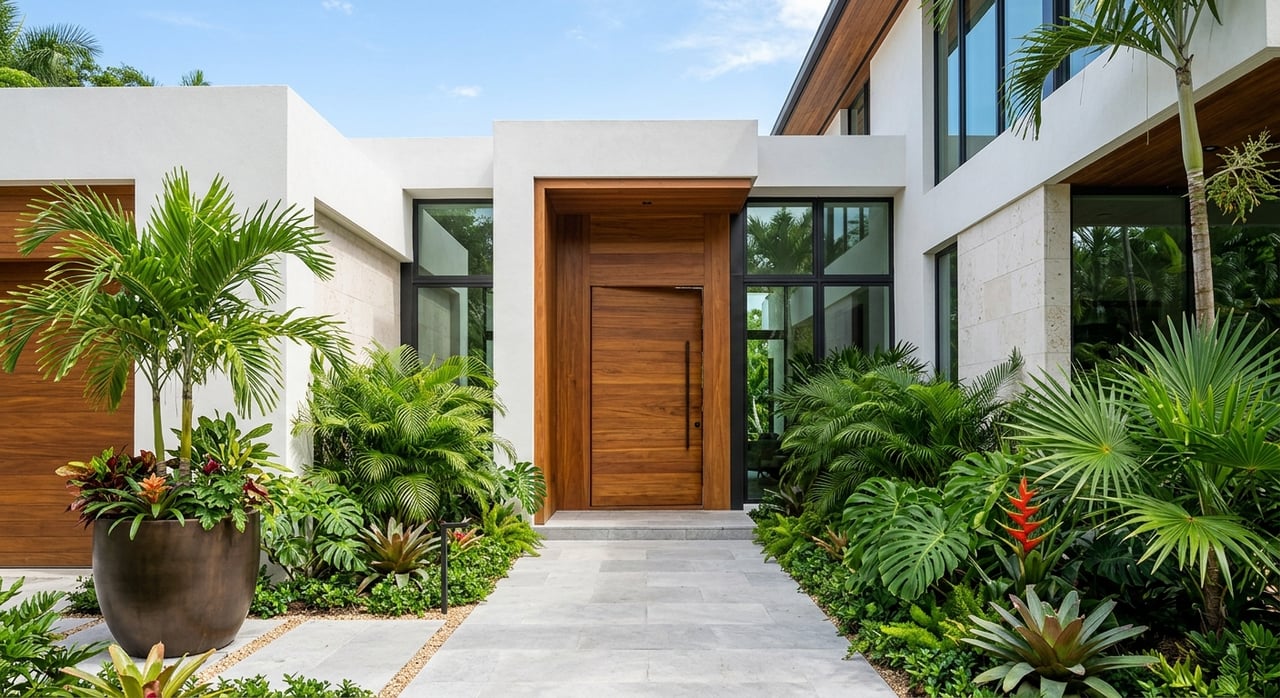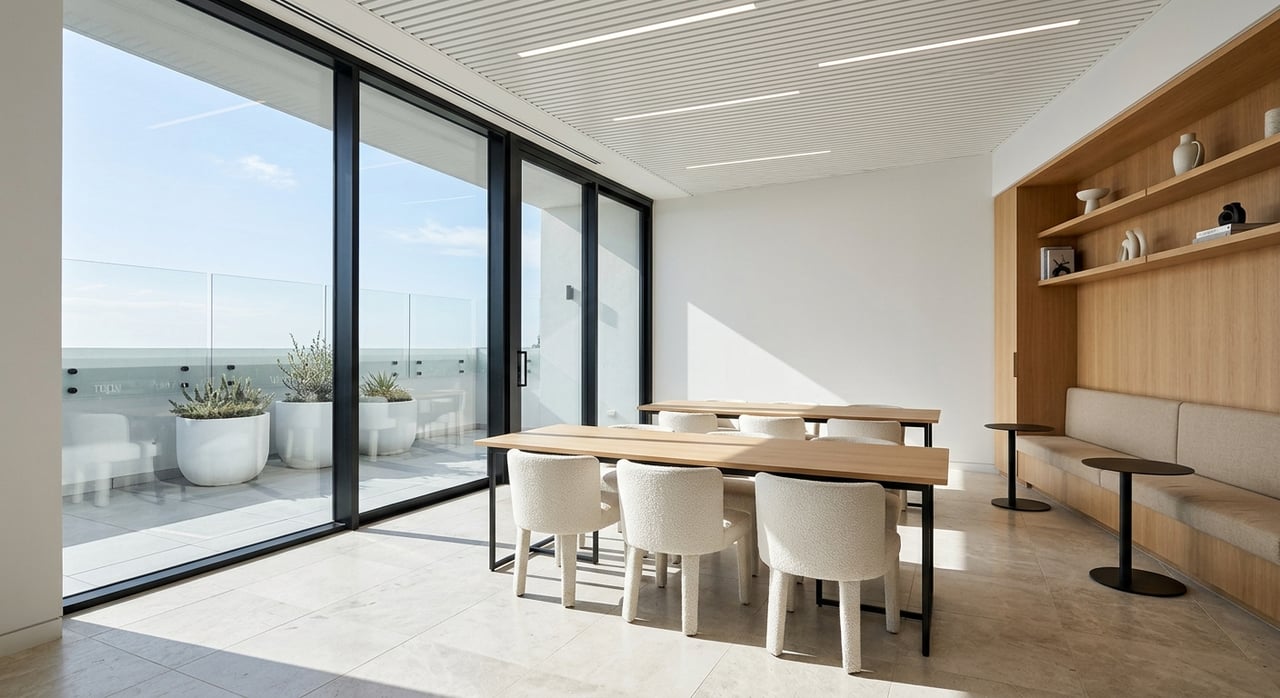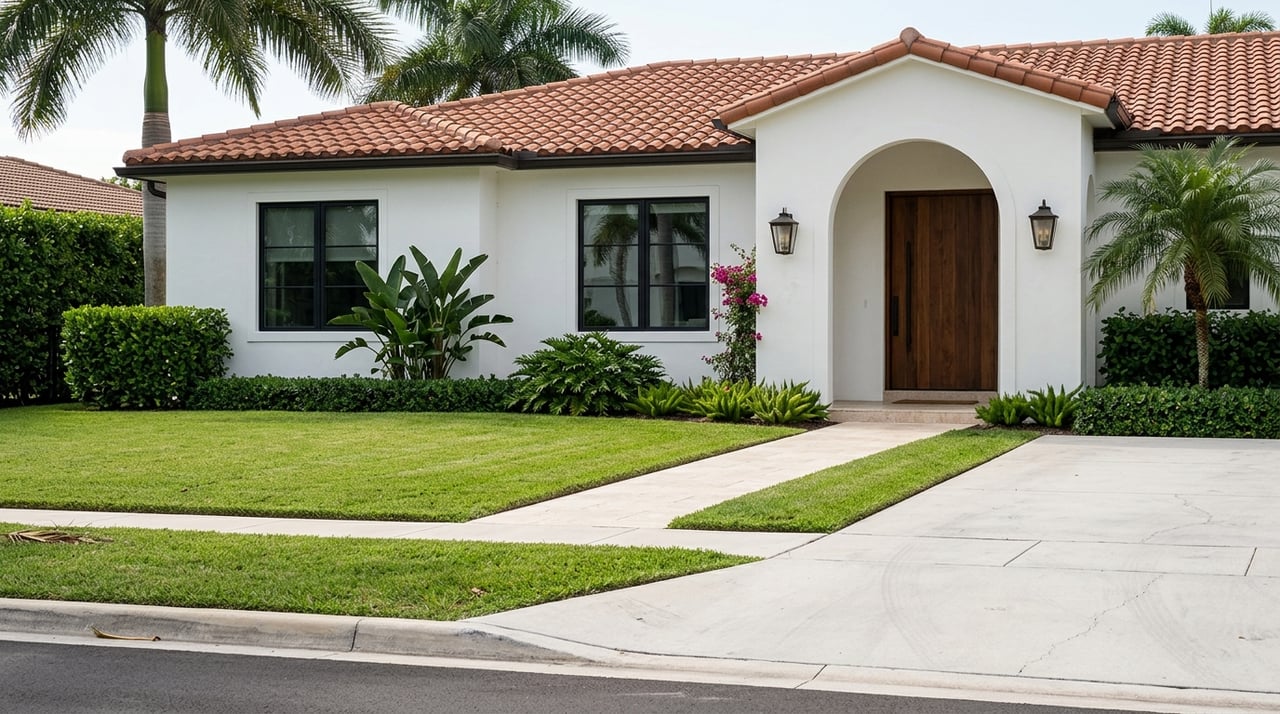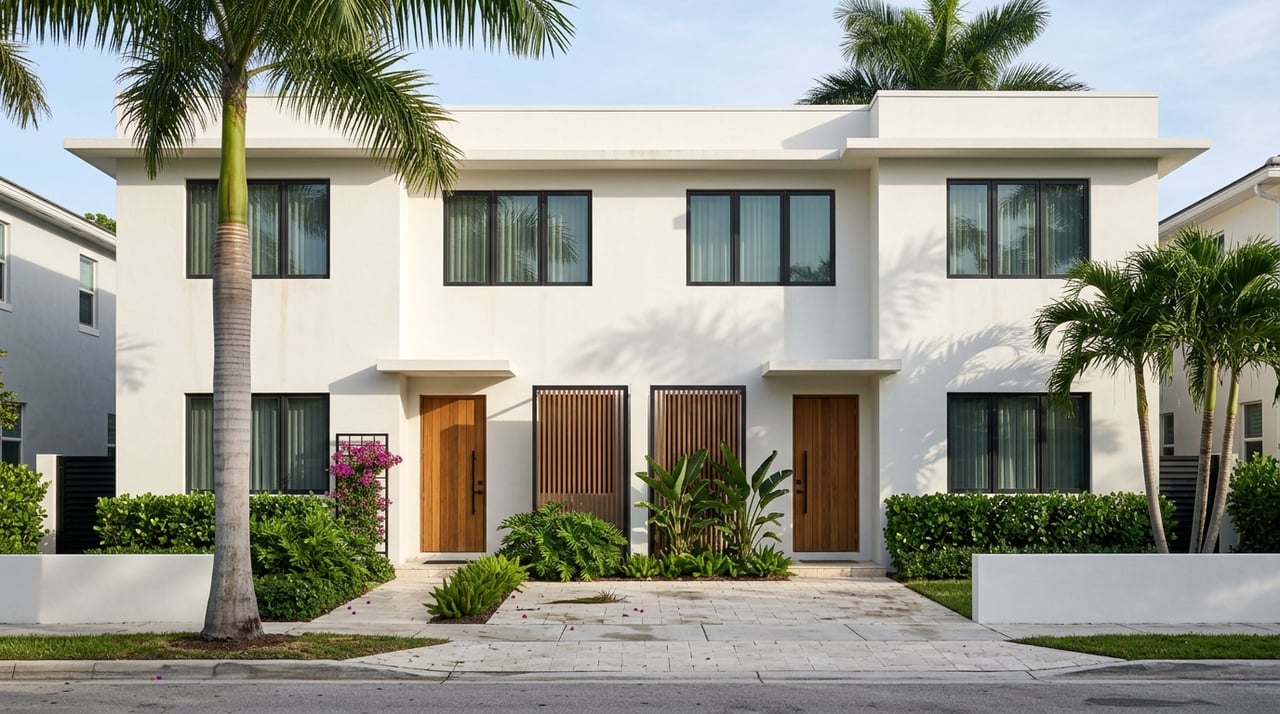
Curious what living in Pinecrest really looks like? If you are weighing a move, you are likely hearing about large lots, great outdoor spaces, and a price spectrum that can be hard to pin down. You want clear, local insight so you can match your budget with the right home and avoid surprises during due diligence. In this guide, you will learn what to expect from Pinecrest homes, how older and newer builds differ, which features are common, and what your budget is likely to buy. Let’s dive in.
Pinecrest at a glance
Pinecrest is an incorporated village in Miami-Dade County with roughly 7.5 square miles and a population near 18,000 at the 2020 census, according to Wikipedia’s Pinecrest page. It is known for single-family living, estate-scale lots, and a calm residential feel compared to more urban Miami neighborhoods.
When it comes to pricing, published figures vary by source and by how the boundary is defined. A village-only view often shows typical single-family values in the multimillion-dollar range. For example, some providers reported typical values around the low-to-mid two millions in late 2025 to early 2026, while monthly medians based on a small set of closings have at times printed much higher. Thin sales counts at the top end and differing boundaries are the big reasons numbers swing. If you see a ZIP-level report for 33156 with a lower median than a village-only report, that is normal because the ZIP includes adjacent areas. The takeaway: focus on recent, like-kind comps inside the Village boundary.
For official boundaries, zoning, and parcel context, use the Village of Pinecrest Planning and Maps page. That same resource is helpful when you want to confirm flood-zone details and other site considerations.
Lots and site patterns
If you care about land and privacy, Pinecrest stands out. Many homes sit on quarter-acre to one-acre lots, and estate parcels over three quarters of an acre exist in several enclaves. Larger lots drive the lifestyle here: generous setbacks, big pools, covered outdoor living rooms, and space for amenities like sport courts or guest houses, subject to zoning.
- Typical lot sizes you will see during tours: about 0.25 to 1.0 acres.
- Smaller lots, roughly 0.25 to 0.5 acres, are common in many established subdivisions.
- Larger estate lots, about 0.75 to 1.0 acres and above, cluster in select pockets.
Zoning and site coverage rules determine what you can add. Always verify a home’s buildable envelope and setbacks before planning a pool, addition, or guest house. Start with the Planning and Maps page, then confirm specifics through a current survey and the Village’s Building and Planning teams.
Outdoor living is a priority
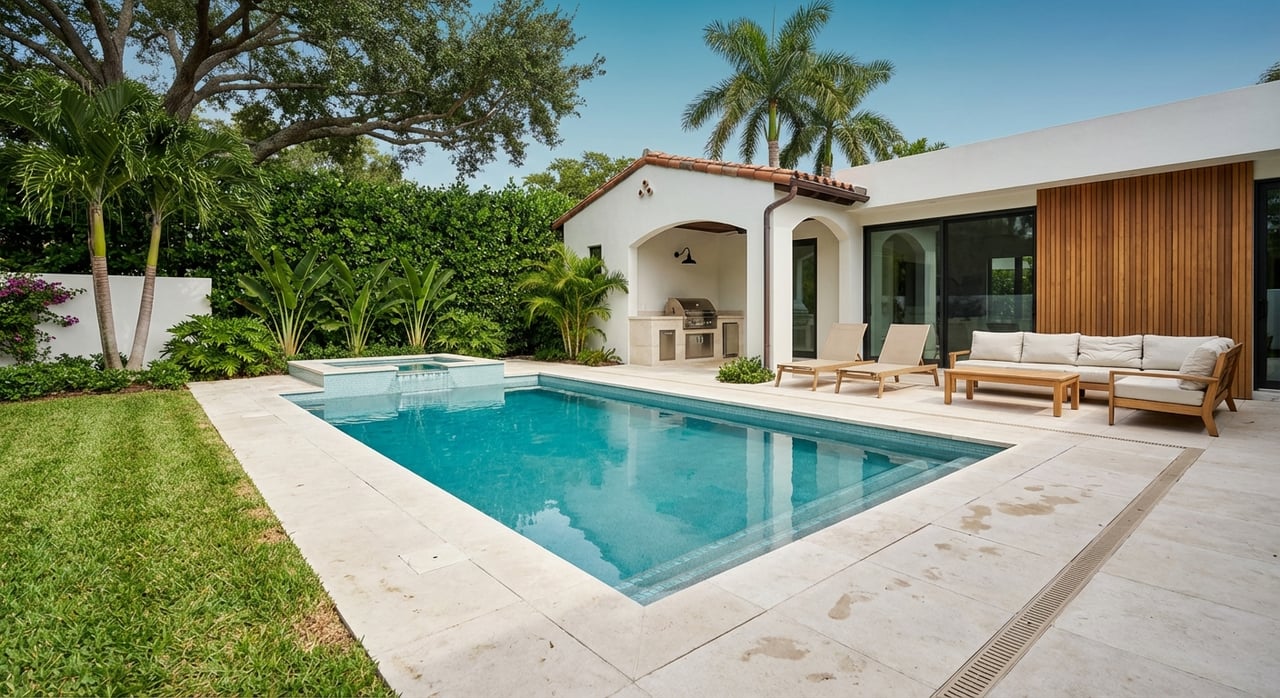
Pools are common across price bands, and covered outdoor living is part of daily life for many Pinecrest owners. You will see lanais, summer kitchens, outdoor dining, and shaded lounging designed for year-round use. Regional design sources confirm that outdoor kitchens and covered entertaining areas rank among top buyer requests in Florida. For inspiration and context, see this overview of outdoor upgrades that resonate with South Florida buyers from a local design firm’s guide to backyard improvements and outdoor kitchens.
Floor plans and styles
Pinecrest’s housing stock spans mid-century ranches to contemporary estates finished in the last few years. Many homes fall in the 1,500 to 4,000-plus square foot range, and custom new builds frequently exceed 4,000 square feet. Three to five bedrooms are common, with newer homes layering on offices, media rooms, and multiple en-suite bedrooms that cater to multi-generational or work-from-home needs.
What older homes often look like
- Single-story ranch or split-bedroom layouts from the 1950s through 1970s.
- Mature canopies and established tropical landscaping.
- Systems that may warrant updating: roofs, HVAC, plumbing, and electrical.
These properties are favorites for buyers who want a large lot and the creative canvas to renovate. Depending on the home and your plans, you may choose a phased remodel or a full rebuild.
What newer builds deliver
- Open, flowing floor plans and high ceilings that pull light deep into the home.
- Large sliding doors that blend indoor and outdoor living.
- Hurricane-impact glazing, modern mechanicals, and energy-minded details.
- Multi-bay garages, extensive storage, and flexible rooms like gyms or offices.
New construction often prioritizes privacy and entertaining. Expect strategic pool placement, covered loggias, outdoor kitchens, and thoughtful landscape lighting that extend the home’s living area outside.
What your budget typically buys
Every search is unique, but here is a practical framework to set expectations. Use it to calibrate your wish list, then refine with current, like-kind comps.
- Under $1.0M: Single-family options inside the Village are rare at this price. You are more likely to find condominiums or townhomes in the broader 33156 area, or single-family homes in nearby suburbs with different lot sizes and amenities.
- About $1.0M to $2.0M: Older single-family homes on smaller Pinecrest lots become possible. You might also compare nearby alternatives with larger lots at lower prices in other South Dade suburbs, acknowledging different amenities and commute patterns.
- About $2.0M to $4.0M: This is a very active segment for Pinecrest. Expect mid-sized renovated homes and modest newer builds, frequently with pools and strong indoor-outdoor flow on generous lots.
- $4.0M and higher: Newer custom estates on three-quarter to one-acre parcels and beyond. Expect high-end finishes, thoughtful architecture, and potentially gated properties.
Prices fluctuate with inventory, finish level, exact location inside the Village, and lot characteristics. Treat monthly medians as snapshots and focus on the best recent comps that match your target property type.
Due-diligence checklist for Pinecrest buyers
Do these checks early in your search so you can move decisively when the right home hits the market.
- Verify the address is inside Village boundaries: This affects taxes, permitting, and more. Use the official Planning and Maps page to confirm.
- Order a current survey: Confirm lot size, boundary lines, setbacks, and recorded easements. This determines where you can place additions, pools, or accessory structures.
- Understand zoning and permits: Tree protections, site plan reviews, and other approvals can impact timelines. Review the Village’s Building and Permit resources before you plan work.
- Check flood zone and elevation: Flood risk can vary block by block. Use the Village’s Planning and Maps resource along with FEMA data your insurance advisor can provide.
- Confirm utilities: Some older parcels may be on septic rather than sewer. Verify current connections and any conversion requirements with the appropriate agencies.
- Estimate taxes: Ownership changes can affect assessed values. Use the Miami-Dade Property Appraiser for parcel lookups and tax estimators.
- School boundaries: If schools are part of your decision, confirm the assigned public schools for a specific address using official boundary resources.
Older vs. newer construction: practical tradeoffs
Both paths can be smart, depending on your goals.
- Renovate an older home: You may secure a larger lot at a lower entry price, then tailor the home over time. Budget for mechanical updates and potential roof, window, and plumbing improvements. Review tree protections and site plan needs before reconfiguring the footprint.
- Choose a newer or new-build home: You pay for modern engineering, impact windows, high ceilings, and finished outdoor living. Mechanical systems are newer, which can simplify maintenance and insurance in the near term.
Your decision often comes down to timing, tolerance for renovations, and whether you value character and mature landscaping or a turnkey contemporary lifestyle.
How we help you buy with confidence
Pinecrest rewards buyers who prepare. You want clean data on recent comps, fast answers during due diligence, and a team that understands how lot size, location inside the Village, and condition translate into value. Our team brings neighborhood-level expertise across Pinecrest, Coconut Grove, and Coral Gables, plus a platform for private outreach and polished presentation when it is time to negotiate.
If you want to map your budget to the right Pinecrest homes, compare neighborhoods, or pressure test a renovate-versus-new-build plan, let’s talk. Connect with Dija Phaire and Eliot Rodriguez to schedule a free consultation.
FAQs
How do Pinecrest home prices compare to nearby areas?
- Pinecrest typically skews higher than many South Dade suburbs due to larger lots and estate-style homes. Always compare recent, like-kind comps inside village boundaries to get a true read.
Are pools standard features in Pinecrest homes?
- Many Pinecrest single-family homes include private pools, and outdoor living spaces like covered lanais and summer kitchens are common across price points.
What lot size should I expect when house hunting in Pinecrest?
- Expect a wide range from about 0.25 acres to over 1.0 acre, with many homes sitting on 0.25 to 0.5 acres and estate parcels at 0.75 acres and above.
What are key due-diligence steps specific to Pinecrest homes?
- Confirm village boundaries, review a current survey, check zoning and tree protections, verify flood zone and utilities, and estimate taxes using county tools before you write an offer.
How do older Pinecrest homes differ from newer builds?
- Older homes often have single-story ranch layouts and may need system updates, while newer builds deliver open plans, impact glass, high ceilings, and integrated indoor-outdoor living.